

Fermented Carrot + Cabbage Sauerkraut
The oldest immune intervention in the kitchen — plus one of the most effective.
Two ingredients. No heat. Profound immune impact.
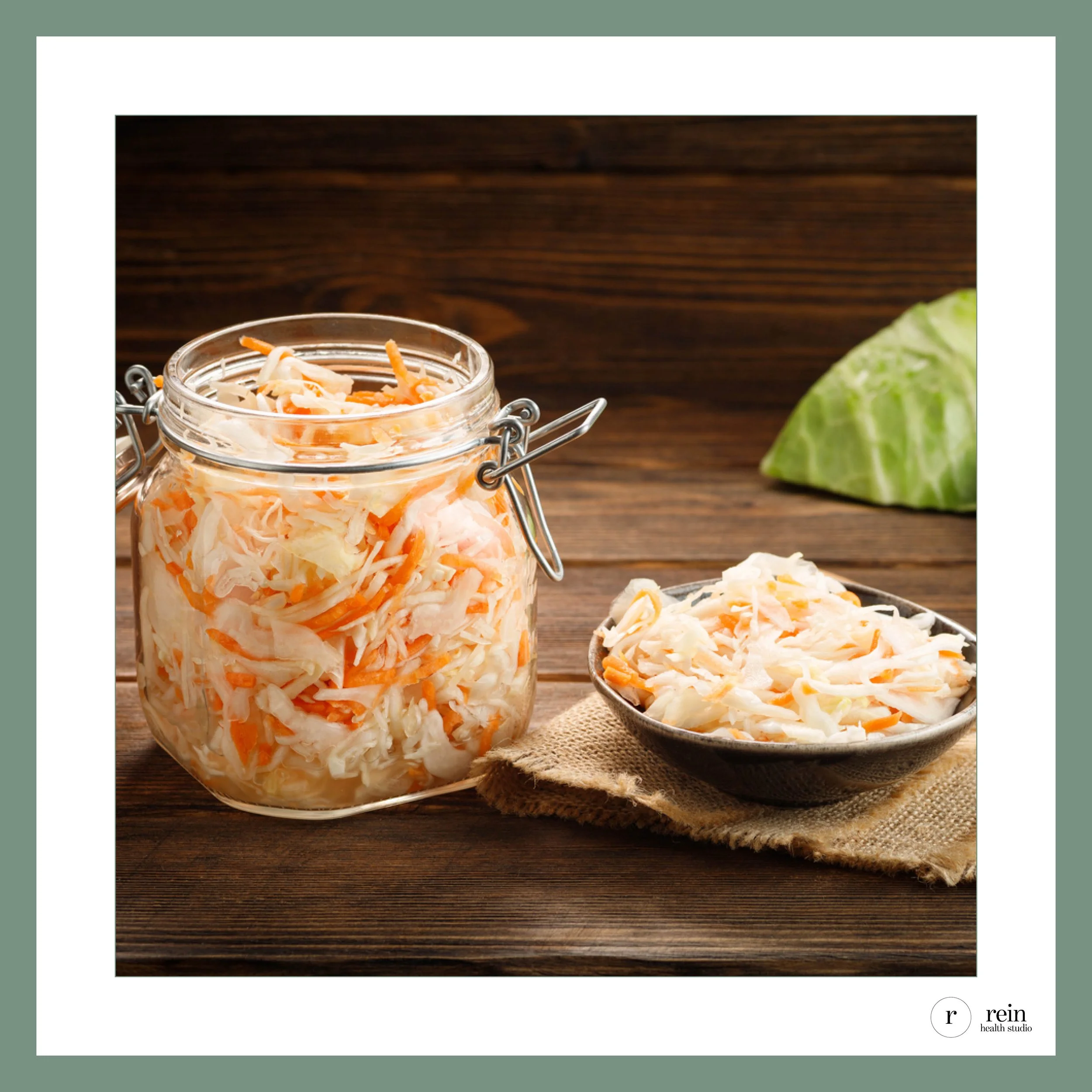
Fermentation transforms simple vegetables into a living, probiotic-rich food that directly seeds + diversifies the gut microbiome — the environment where 70–80% of immune tissue resides. The live Lactobacillus cultures produced during lacto-fermentation have been shown to enhance secretory IgA production, the immune system's primary mucosal antibody + first-line defense against pathogens entering through the gut and respiratory tract. Cabbage is also a significant source of vitamin C that survives + concentrates through the fermentation process, while carrots contribute beta-carotene for vitamin A — critical for maintaining the integrity of mucosal barriers. The organic acids produced during fermentation lower gut pH, creating an environment that is actively hostile to pathogenic bacteria while selectively supporting beneficial microbial communities that educate + regulate immune response.
Fermented Carrot + Cabbage Sauerkraut
1 small green cabbage, finely shredded
2 medium carrots, grated
1.5 tsp sea salt per 500g of vegetables
1 tsp caraway seeds, optional
1 tsp grated fresh ginger, optional for additional antimicrobial support
Filtered water if needed to submerge vegetables
Method: Massage salt into shredded cabbage and carrots until brine releases. Pack tightly into a sterilized jar, pressing until vegetables are fully submerged in their own liquid. Seal loosely and ferment at room temperature for 5–7 days, pressing down daily. Refrigerate once desired sourness is reached.
Benefits
Live Lactobacillus cultures → seed gut microbiome + enhance mucosal IgA production
Cabbage → concentrated vitamin C to support immune cell production
Carrots → beta-carotene converting to vitamin A for barrier defense
Organic acids → lower gut pH creating environment hostile to pathogens
Ginger → optional antimicrobial + anti-inflammatory amplifier