

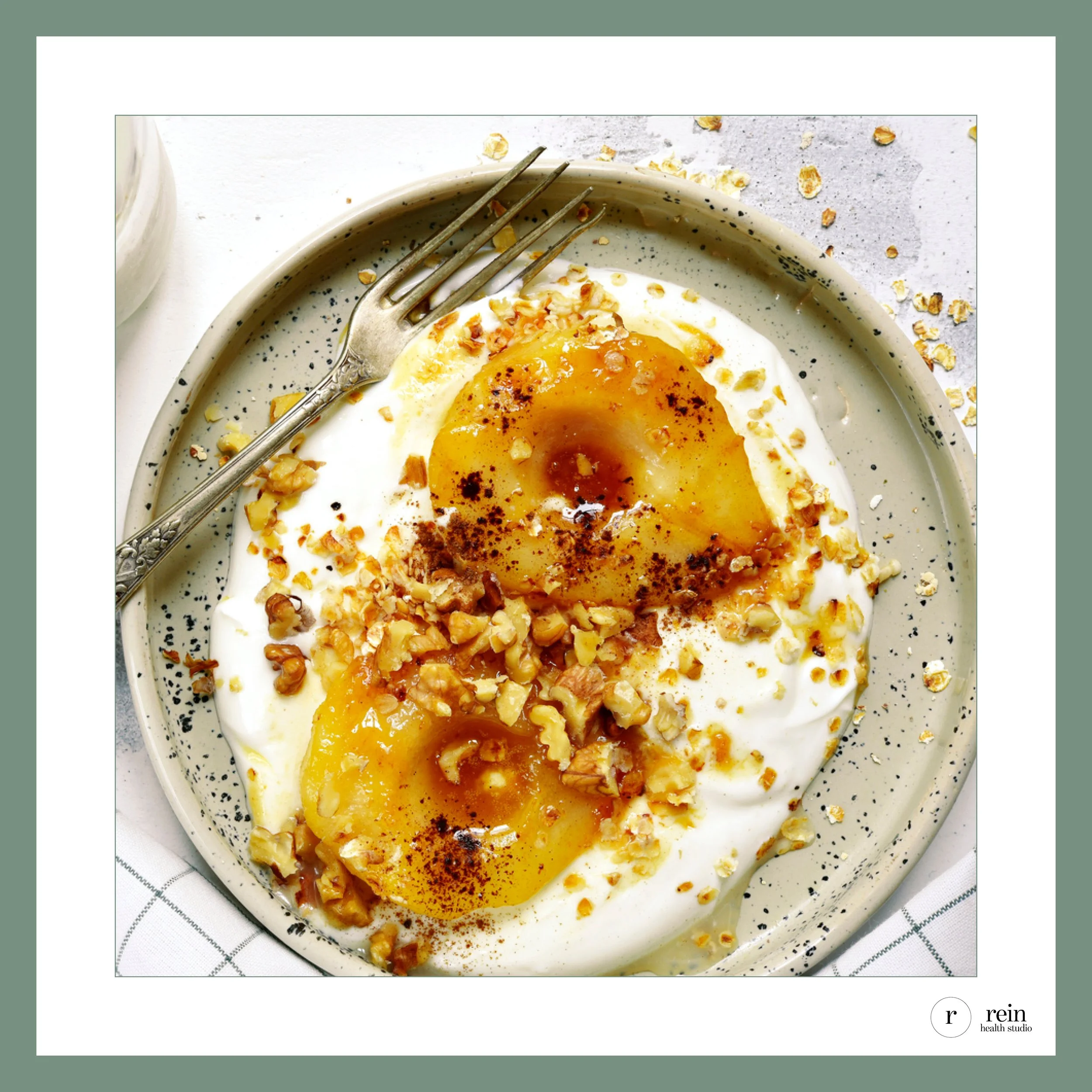
Warm Stewed Pears w/ Cinnamon, Cardamom + Probiotic Yogurt
After illness or sustained burnout, gut barrier integrity is often compromised + digestive enzyme output reduced — making easily digestible, nutrient-dense foods a clinical priority (Calder et al., 2020). Stewed pears are among the most gentle fiber sources available — cooking softens their pectin into a prebiotic form that feeds beneficial gut bacteria without placing mechanical demand on a burdened digestive tract. Pectin specifically stimulates Bifidobacterium species, which produce butyrate — the short-chain fatty acid that repairs the gut lining + regulates immune tone during recovery. Probiotic yogurt reintroduces beneficial microbial species disrupted by illness, antibiotics, or chronic stress. Cinnamon stabilizes blood sugar, reducing the cortisol spikes that compound adrenal burden throughout recovery.
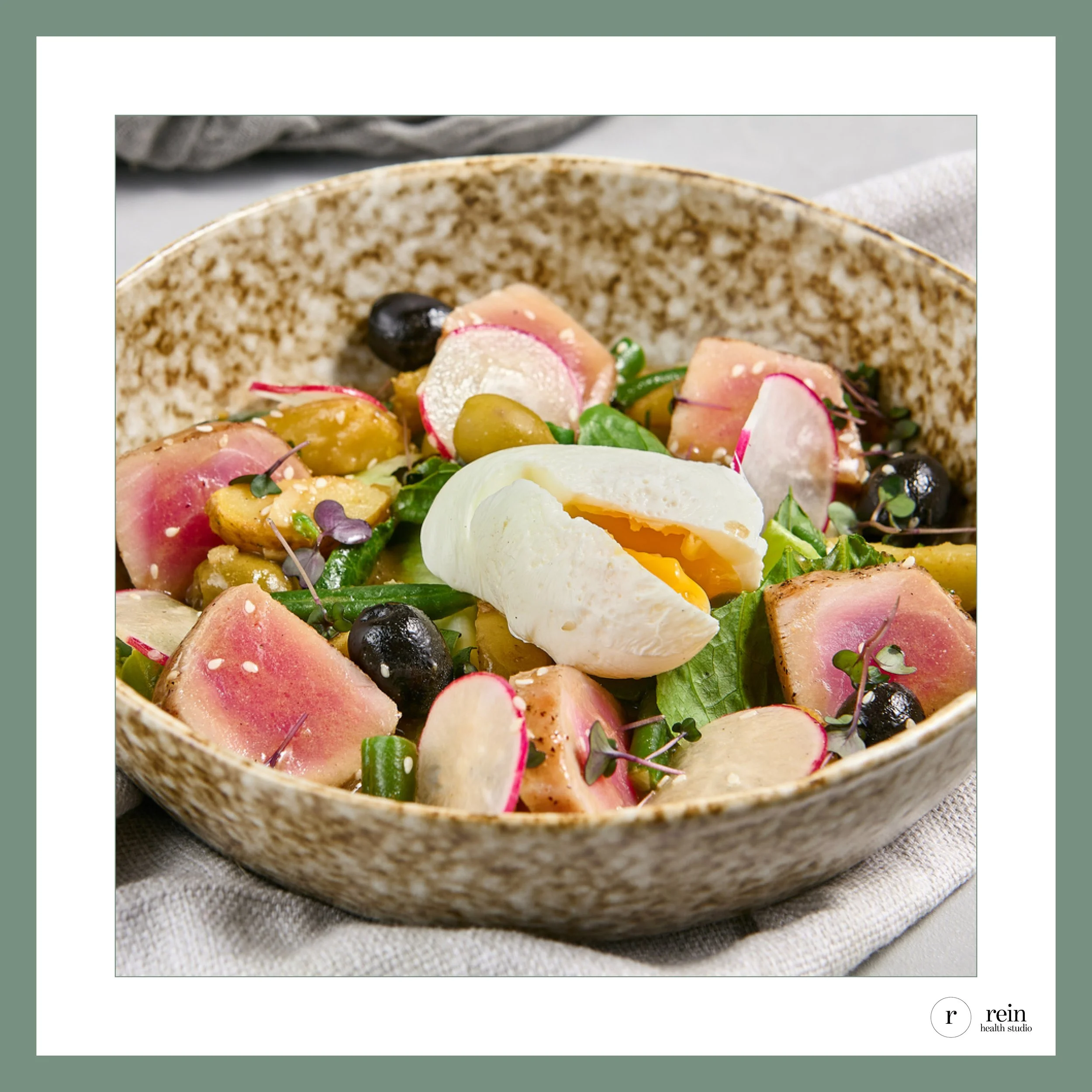
Seared Tuna Niçoise w/ Soft Egg + Olive Dressing
The Niçoise format is one of the most nutritionally complete anti-inflammatory meals in Mediterranean cooking — not by design, but by ingredient density. Tuna delivers EPA + DHA, the omega-3 fatty acids the body converts into resolvins + protectins — the specialized pro-resolving mediators that actively signal the immune system to complete inflammatory resolution (Serhan, 2014). Without adequate omega-3 substrate, this resolution phase is biologically constrained regardless of everything else on the plate. Olives + olive oil contribute oleocanthal, which inhibits COX enzymes through the same mechanism as ibuprofen, modulating the inflammatory signal without blocking resolution. The soft egg provides sulfur amino acids that support glutathione production during the oxidative stress peak of acute inflammation. Green beans + radishes add quercetin + vitamin C, supporting NF-κB inhibition throughout the resolution phase.
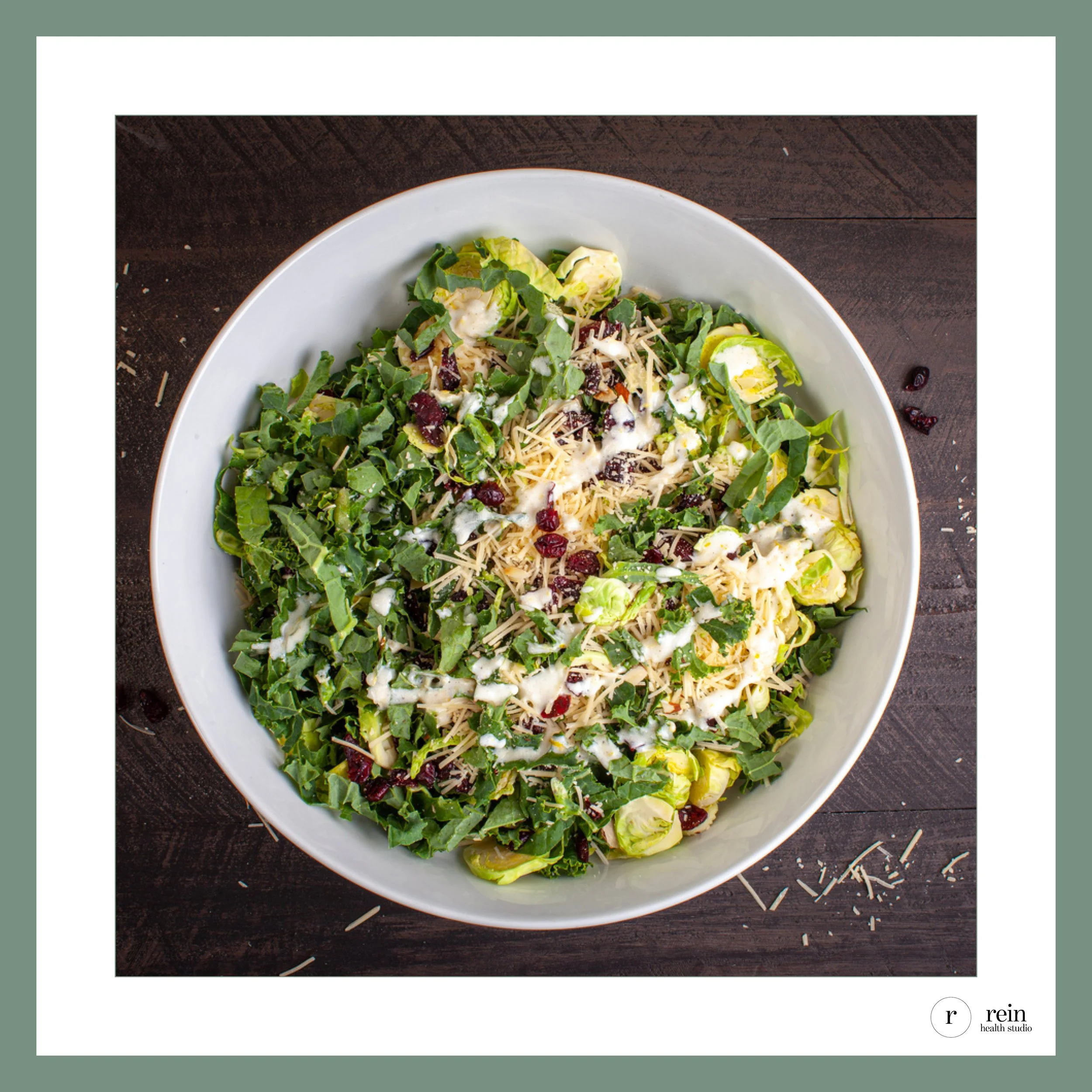
Kale + Brussels Sprout Salad w/ Cranberries, Parmesan + Creamy Dressing
Kale + Brussels sprouts are among the most concentrated dietary sources of glucosinolates — compounds that convert to sulforaphane during digestion + activate Nrf2, simultaneously upregulating Phase II detoxification enzymes + glutathione synthesis (Hodges & Minich, 2015). Eating them raw preserves the myrosinase enzyme required for sulforaphane conversion, making this salad format one of the most effective delivery mechanisms for these compounds. Parmesan contributes sulfur-containing amino acids that serve as direct glutathione precursors, extending Phase II support. Cranberries provide proanthocyanidins that support kidney filtration + the urinary elimination pathway running parallel to hepatic detox. Walnuts add polyphenols that support the colonic microbiome responsible for completing hormonal waste excretion.
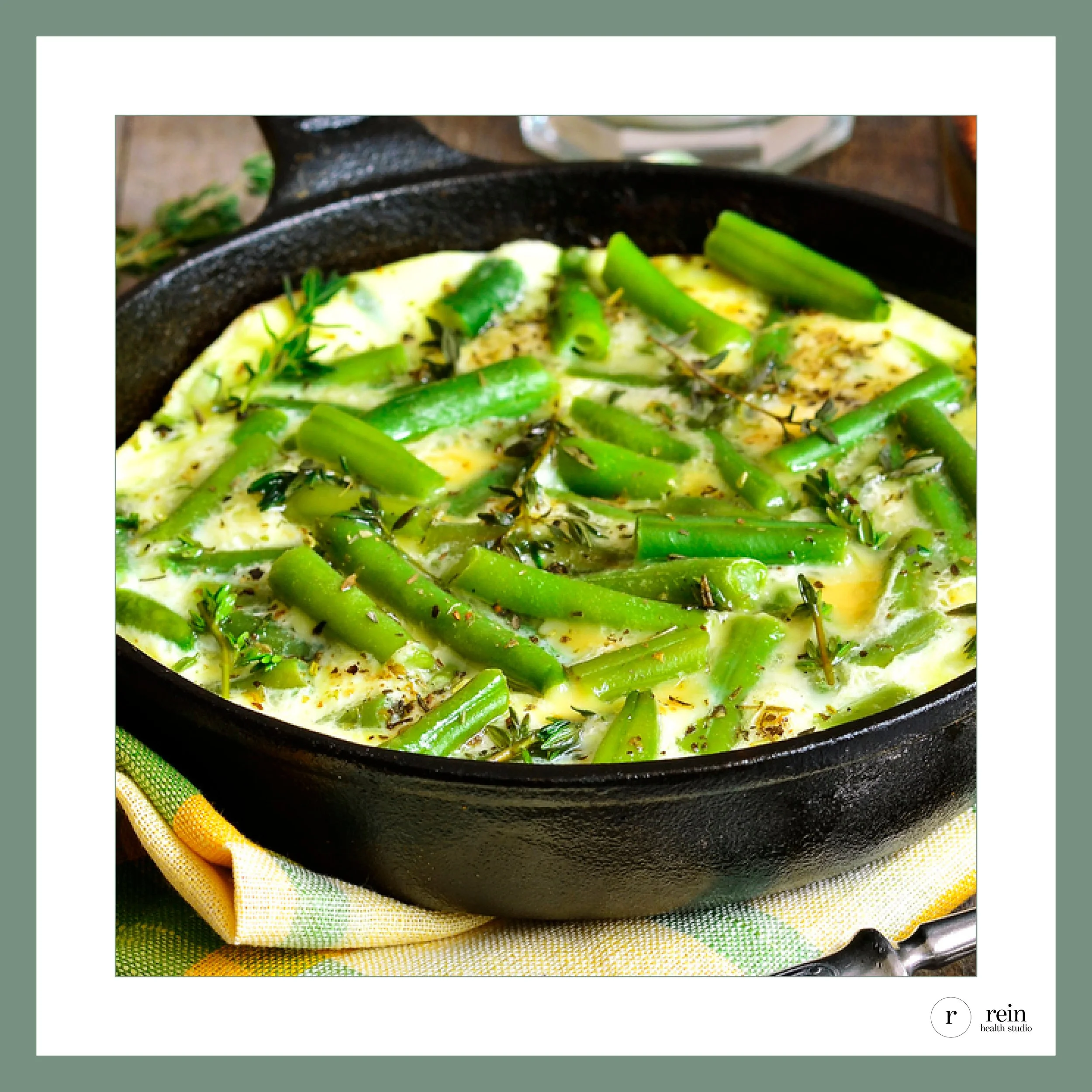
Green Bean + Herb Frittata
Eggs are among the most complete dietary sources of choline — a nutrient the liver requires for fat export + the prevention of fat accumulation in hepatic tissue (Liska, 1998). Without adequate choline, the liver's capacity to process + export lipids is impaired, directly affecting Phase I + Phase II detoxification efficiency. Green beans contribute chlorophyll, which has demonstrated binding activity against ingested environmental toxins in the gastrointestinal tract — effectively reducing the toxic load reaching the liver before detoxification even begins. They also provide silicon, a trace mineral that supports connective tissue integrity throughout the gut wall. Fresh herbs — thyme in particular — deliver rosmarinic acid + flavonoids that activate Nrf2, upregulating the Phase II detox enzymes + glutathione synthesis the liver depends on to neutralize reactive intermediates. Eggs also provide sulfur-containing amino acids — cysteine + methionine — that are direct precursors to glutathione, the liver's master antioxidant and detox molecule.

Dandelion Root Tea Elixir w/ Lemon + Raw Honey
Dandelion root is not a wellness trend. It is one of the most extensively documented hepatic + choleretic botanicals in herbal medicine — meaning it simultaneously supports liver function + actively stimulates bile production + flow (Liska, 1998). Increased bile output accelerates the elimination of fat-soluble toxins, excess hormones + cholesterol that the liver has already processed, ensuring they complete the journey through the colon rather than being reabsorbed. Dandelion root also acts as a gentle diuretic, supporting the kidneys in filtering + excreting water-soluble waste compounds — making it one of the few botanicals that supports two major elimination pathways simultaneously. Lemon provides vitamin C, a required cofactor in Phase II liver conjugation reactions, while its citric acid gently stimulates gastric acid production, supporting the digestive relay that elimination depends on. Raw honey contributes oligosaccharides that feed the colonic microbiome, supporting the gut bacteria responsible for completing hormonal waste excretion.
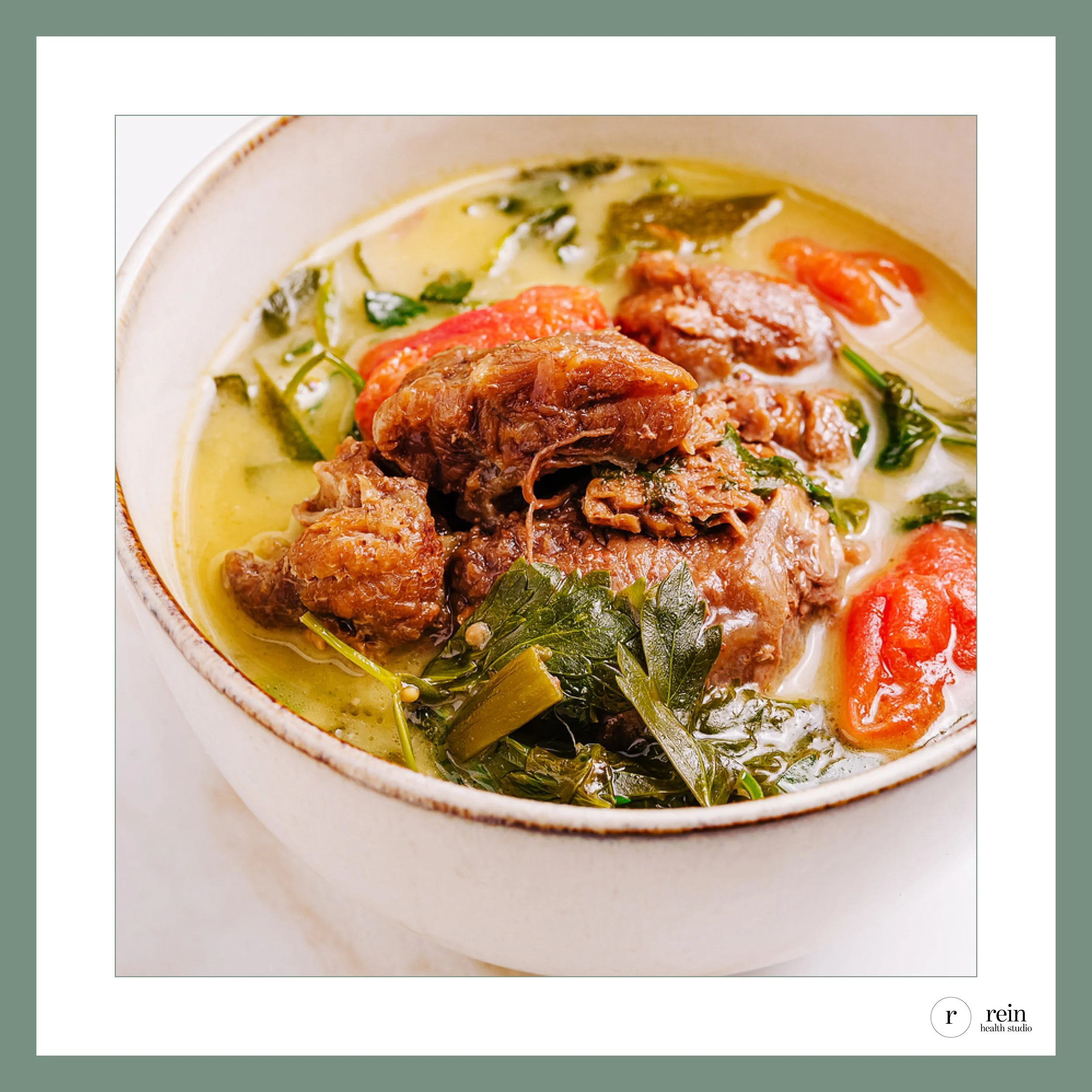
Slow-Cooked Lamb + Bitter Greens Stew
Slow cooking breaks down connective tissue into gelatin, which coats + soothes the gut lining, reducing intestinal permeability + supporting the absorptive surface the small intestine depends on (Tortora + Derrickson, 2017). The collagen released during the long cook provides glycine — critical for gut barrier repair + gastric acid production. Lamb delivers the full amino acid profile required for digestive tissue maintenance + gut wall immune function. Bitter greens wilted into the broth stimulate bile release from the gallbladder + enzyme output from the pancreas, priming fat + protein digestion throughout the meal. Tomatoes add vitamin C that enhances iron absorption in the small intestine, while garlic's fructooligosaccharides feed the colonic microbiome at the final stage of the relay.
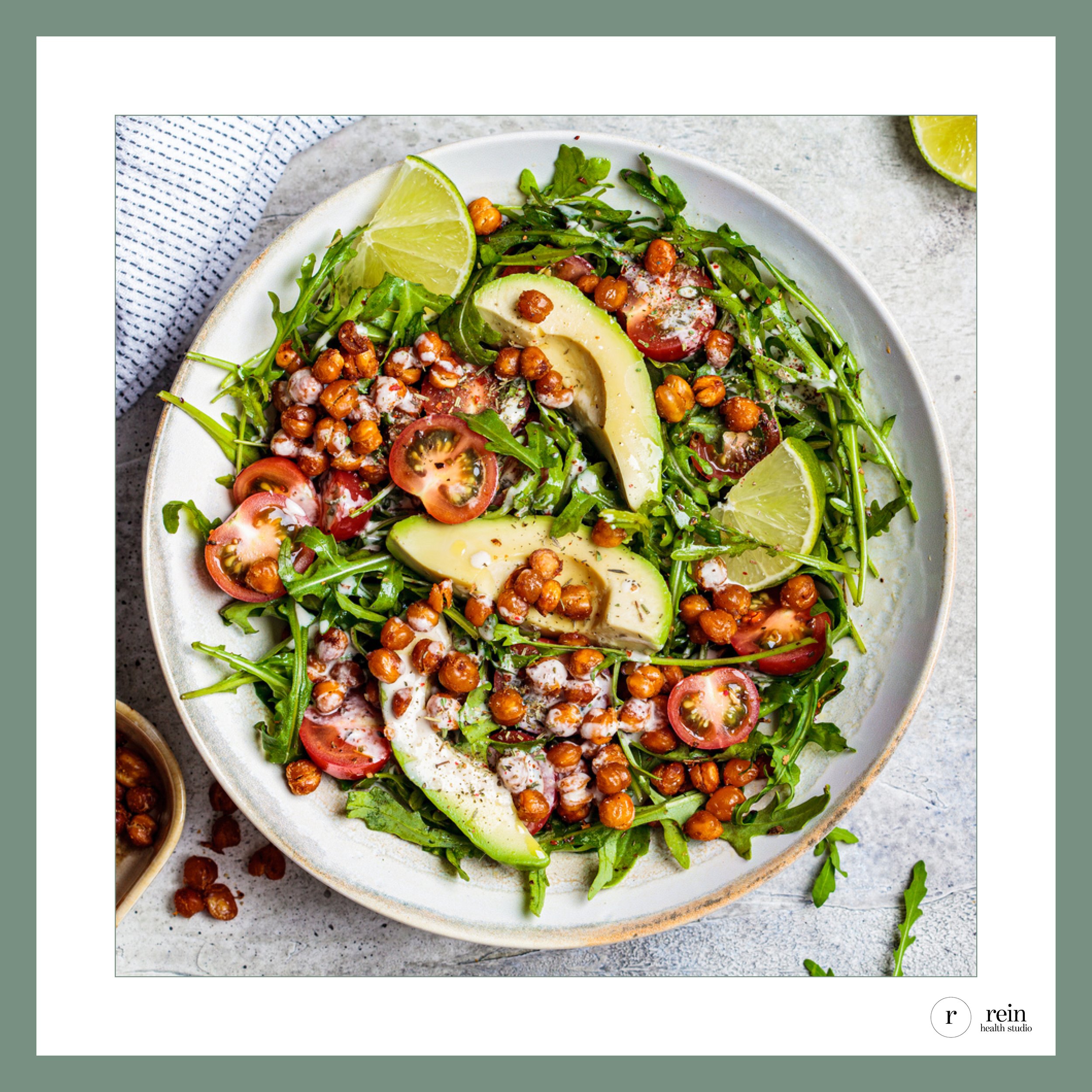
Bitter Greens + Roasted Chickpea Salad w/ Avocado + Lemon Tahini
Bitter foods are one of the most clinically underutilized tools for digestive support. Arugula's bitter compounds stimulate the cephalic phase of digestion, triggering bile release from the gallbladder and enzyme secretion from the pancreas before food even reaches the small intestine (Tortora + Derrickson, 2017). This priming effect improves fat digestion, protein breakdown + nutrient absorption downstream. Roasted chickpeas deliver resistant starch + soluble fiber that feed the colonic microbiome at the final stage of the digestive relay, supporting elimination + short-chain fatty acid production. Avocado contributes monounsaturated fats that stimulate bile release + support fat-soluble nutrient absorption. Lemon juice supports stomach acid activity + enhances mineral absorption from the chickpeas.
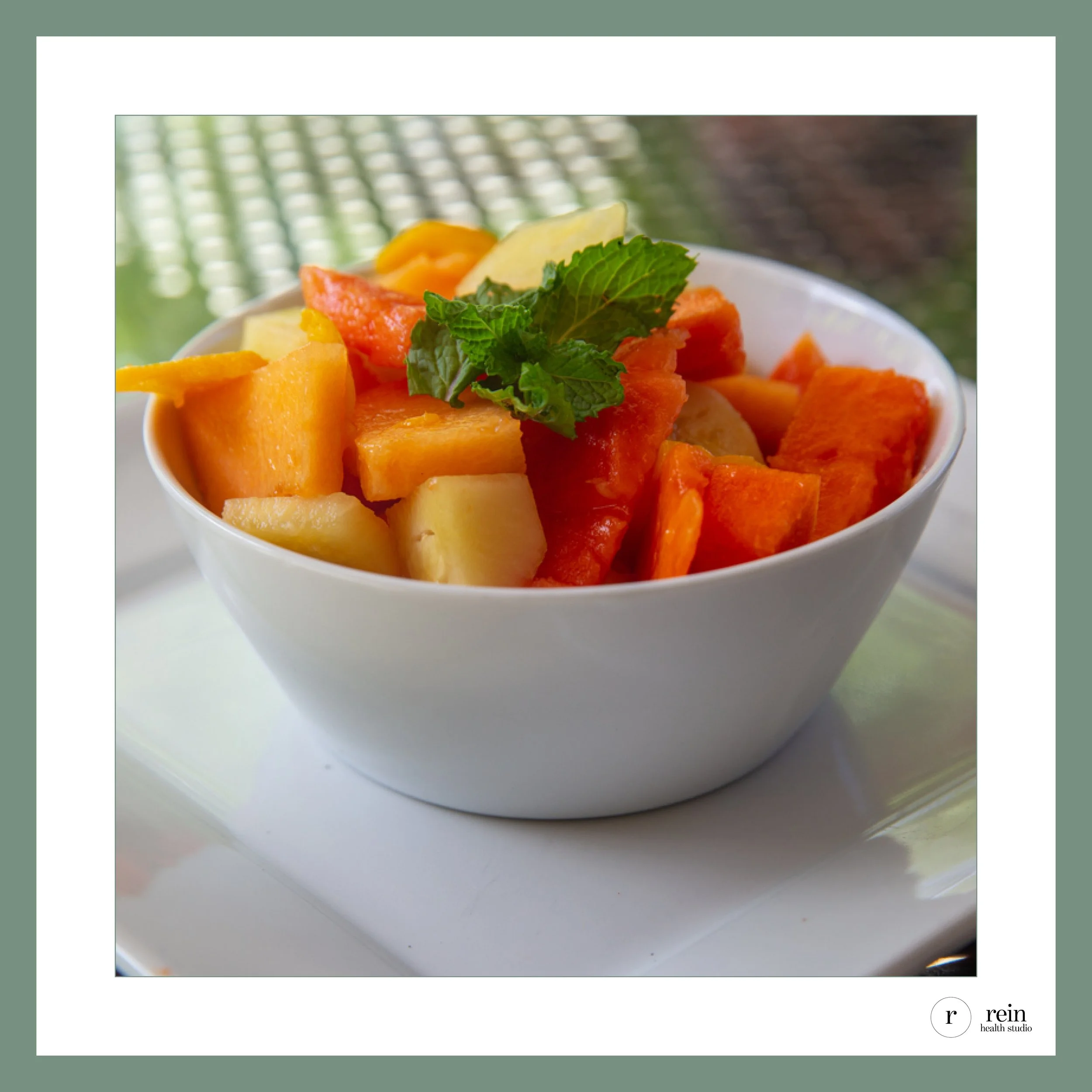
Papaya + Pineapple Enzyme Breakfast Bowl w/ Fresh Mint
Most digestive support conversations focus on the gut. This bowl starts higher up in the relay — at the enzymatic breakdown stage that determines how much of what you eat actually gets absorbed. Papaya contains papain, a proteolytic enzyme that breaks down dietary protein in the stomach + small intestine, directly reducing the digestive burden on both gastric acid + pancreatic proteases (Tortora + Derrickson, 2017). Pineapple contributes bromelain, a complementary enzyme with demonstrated activity against both protein + inflammatory compounds in the gut lining. Together they prime the digestive relay before it begins — supporting the stomach, pancreas + small intestine simultaneously. Mango adds prebiotic fiber that feeds the colonic microbiome at the end of the digestive sequence, while fresh mint stimulates bile flow from the gallbladder, supporting fat digestion + easing the smooth muscle of the digestive tract.
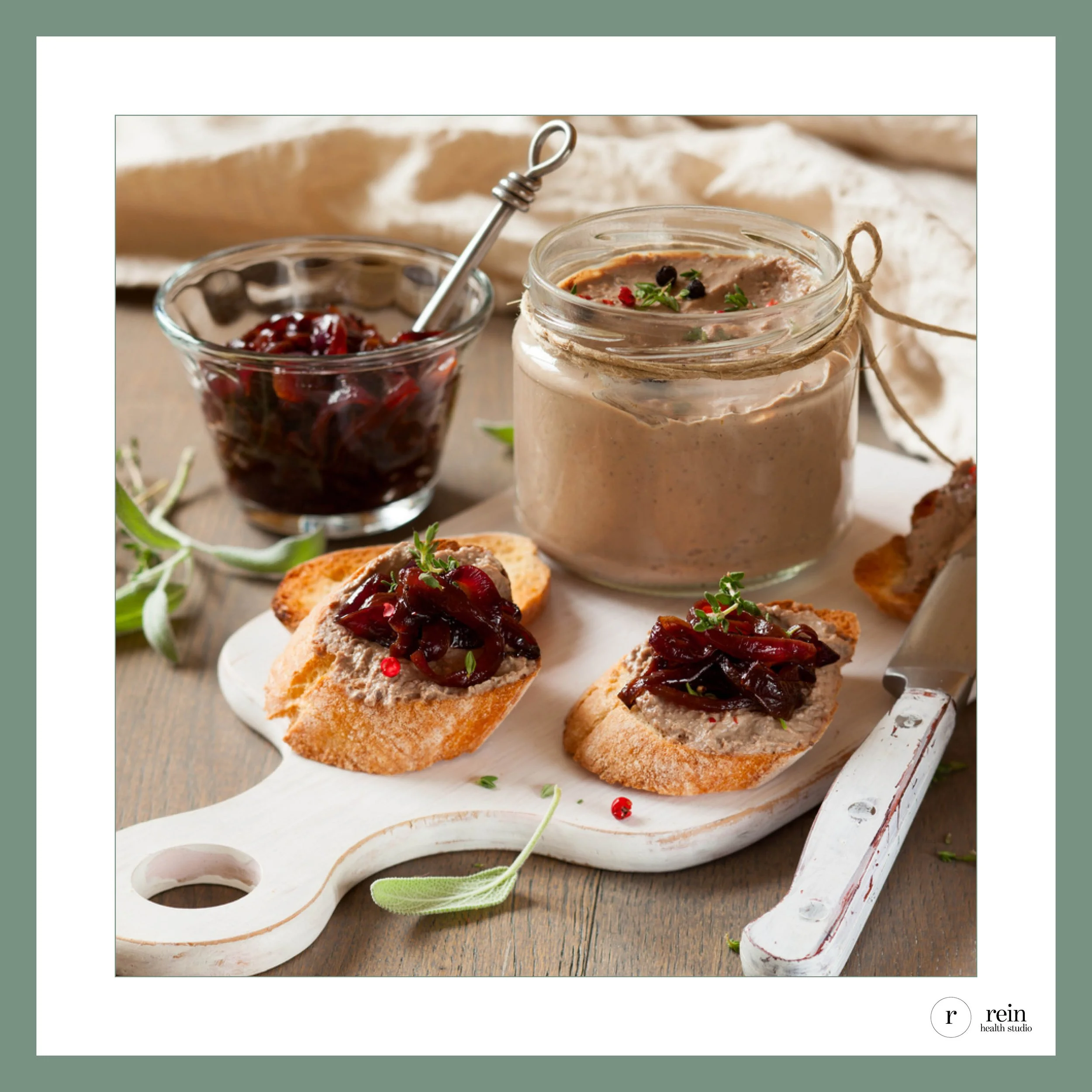
Beef Liver Pâté w/ Caramelized Onion on Toasted Sourdough
Liver is the most concentrated source of the nutrients mitochondria depend on most — CoQ10, B vitamins, iron + copper — in their most bioavailable form. Caramelized onions add prebiotic fructooligosaccharides that support the gut bacteria responsible for synthesizing additional B vitamins. Sourdough fermentation reduces phytic acid, improving mineral absorption + making the micronutrients on this plate more accessible at the cellular level.
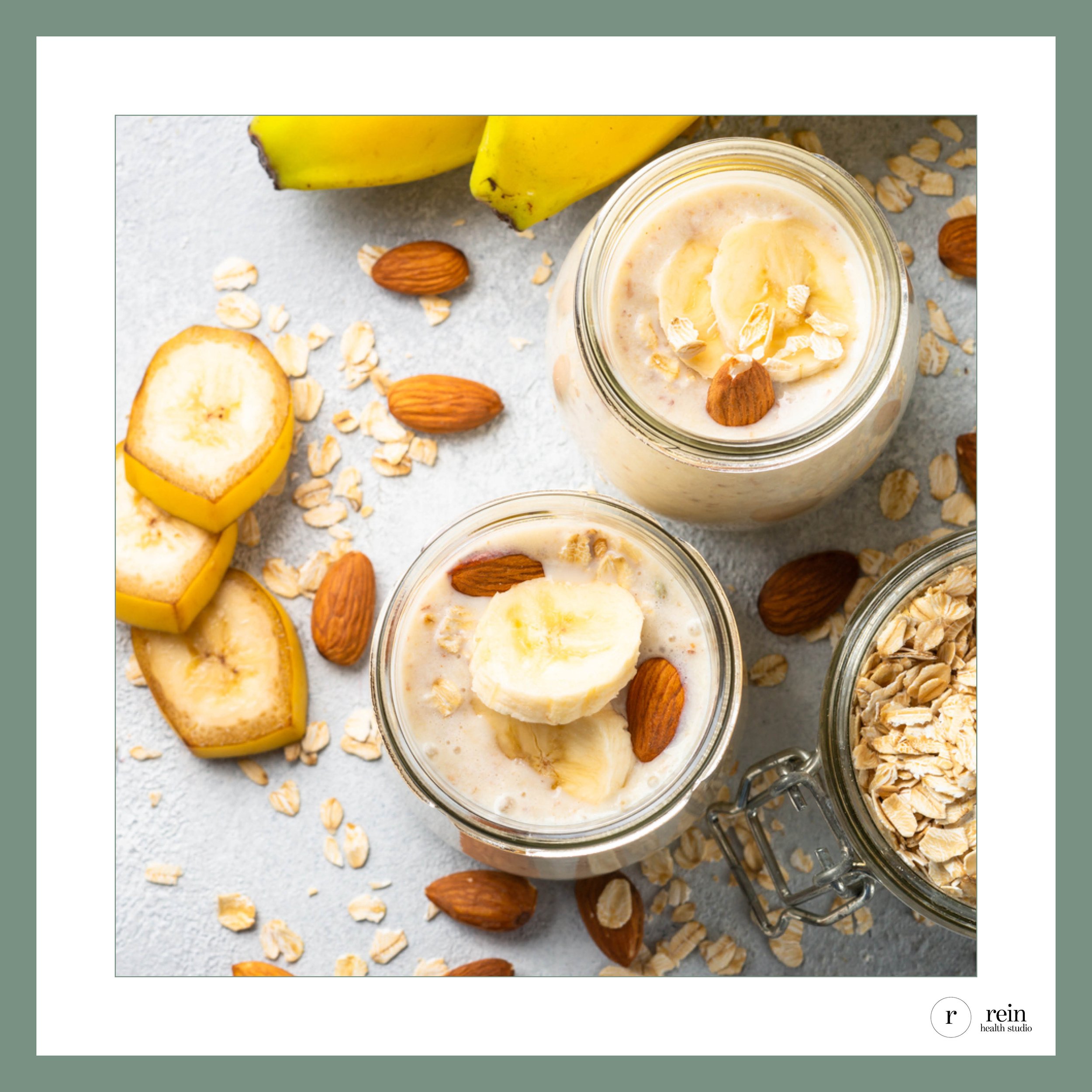
Overnight Oats w/ Banana, Flax + Probiotic Yogurt
Oats contain beta-glucan, one of the most studied prebiotic fibers in the human gut — shown to selectively increase Bifidobacterium + Lactobacillus populations with regular consumption. Flaxseed adds lignans + soluble fiber that gut bacteria ferment into anti-inflammatory compounds. The overnight soak begins breaking down the oat structure, making prebiotic fiber more accessible to the bacterial populations waiting downstream. Probiotic yogurt delivers the live cultures this entire jar is designed to feed.
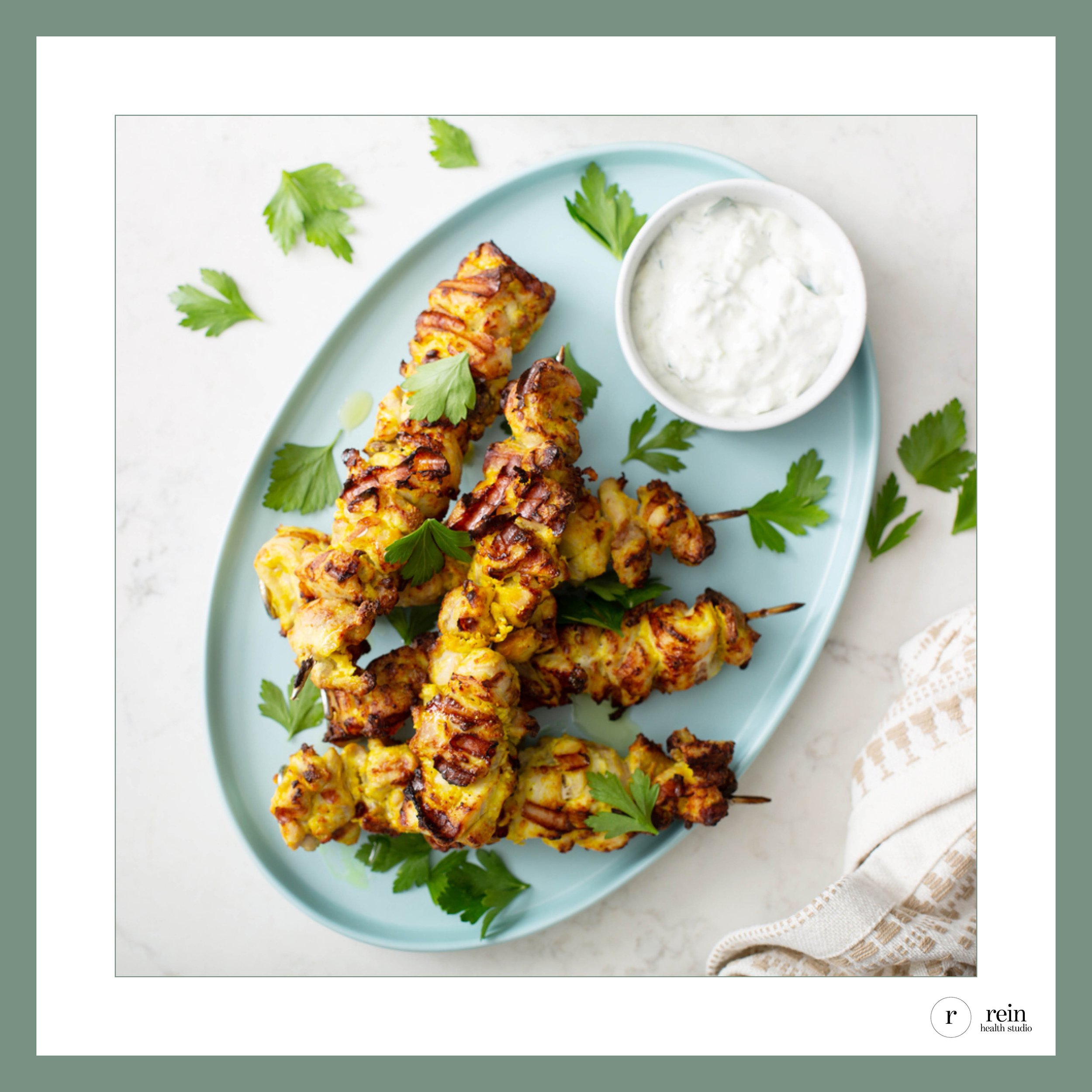
Turmeric Yogurt Chicken Skewers w/ Fresh Herb Tzatziki
Marinating chicken in live cultured yogurt is not just a tenderizing technique — the lactic acid bacteria begin pre-digesting the protein, improving bioavailability + reducing digestive load on the gut. Pair these skewers with a generous serve of roasted vegetables — sweet potato, zucchini, or cauliflower — to add the fermentable fiber that gut bacteria convert into short-chain fatty acids, completing both the plate and the microbiome support.
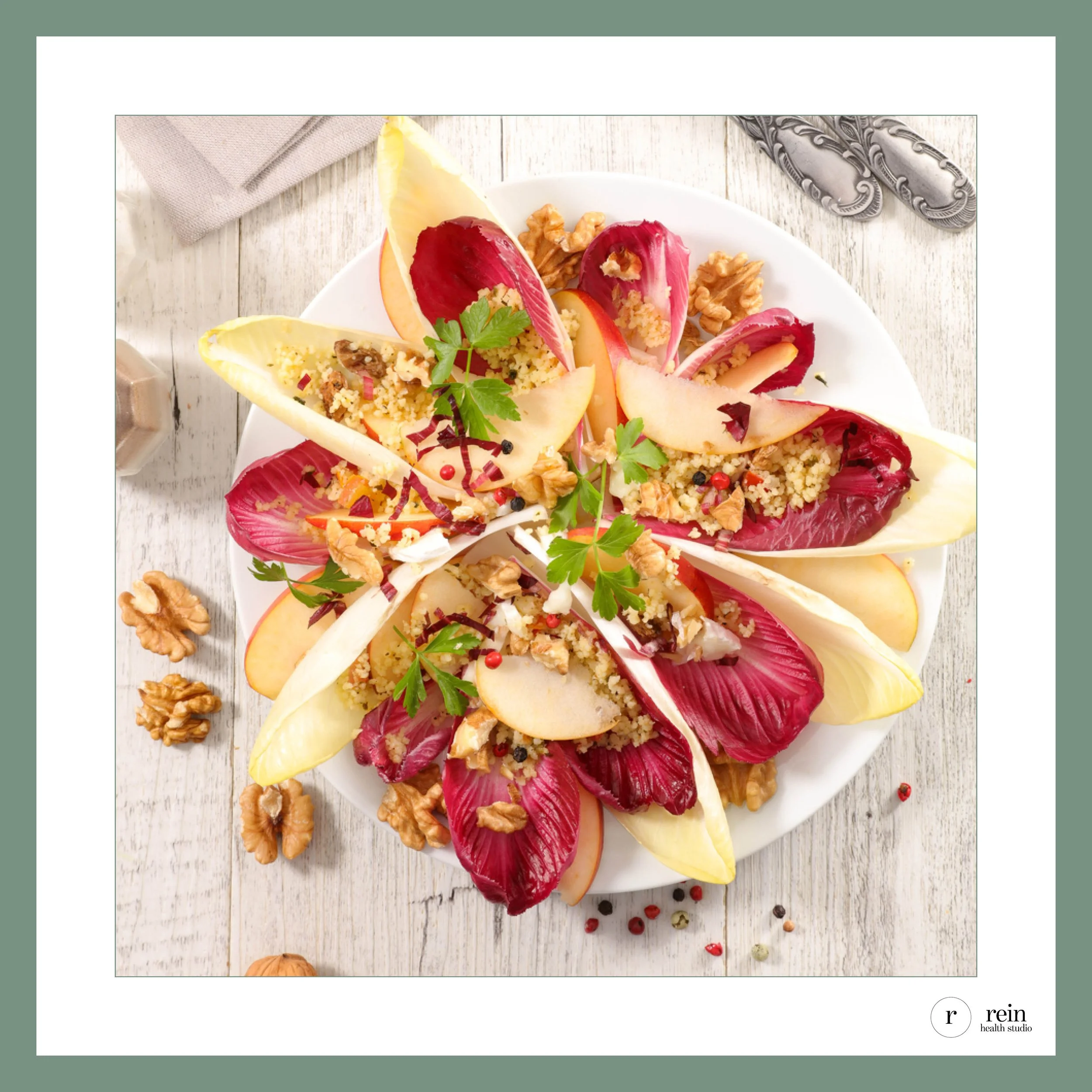
Endive, Radicchio + Walnut Salad w/ Apple, Couscous + Live Cultured Dressing
Endive + radicchio are among the richest dietary sources of inulin — a prebiotic fiber that selectively feeds Bifidobacterium, among the most researched beneficial bacterial genera in the gut. Walnuts add polyphenols that gut bacteria ferment into anti-inflammatory compounds. The live cultured dressing delivers active bacterial cultures directly to the ecosystem this plate is designed to feed.
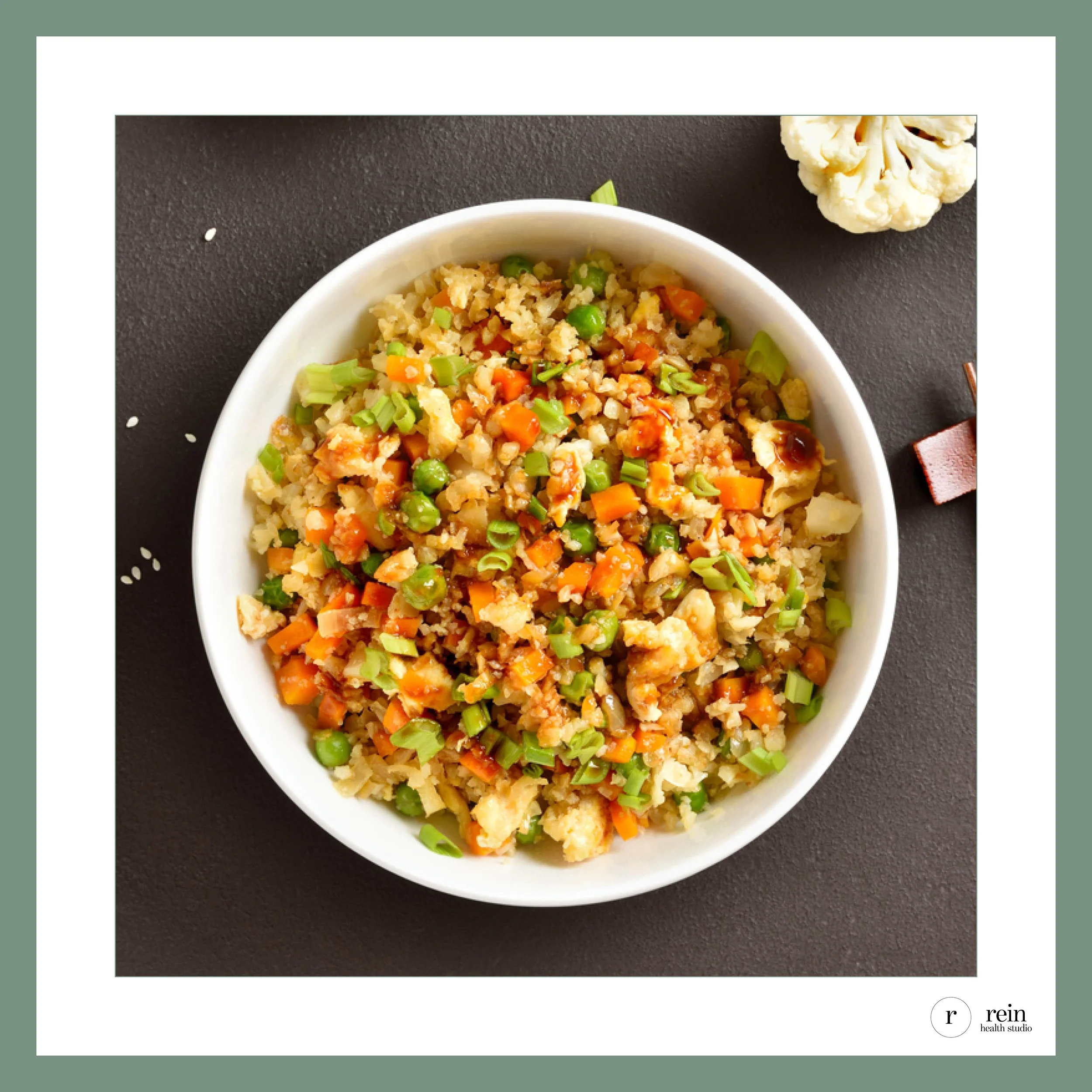
Kimchi Fried Cauliflower Rice w/ Egg + Scallion
Kimchi delivers live bacterial cultures alongside the prebiotic fiber those cultures need to survive + colonize. Cauliflower adds fermentable fiber that feeds the beneficial bacterial populations responsible for producing short-chain fatty acids. Eggs contribute choline, which supports the integrity of the gut lining itself.
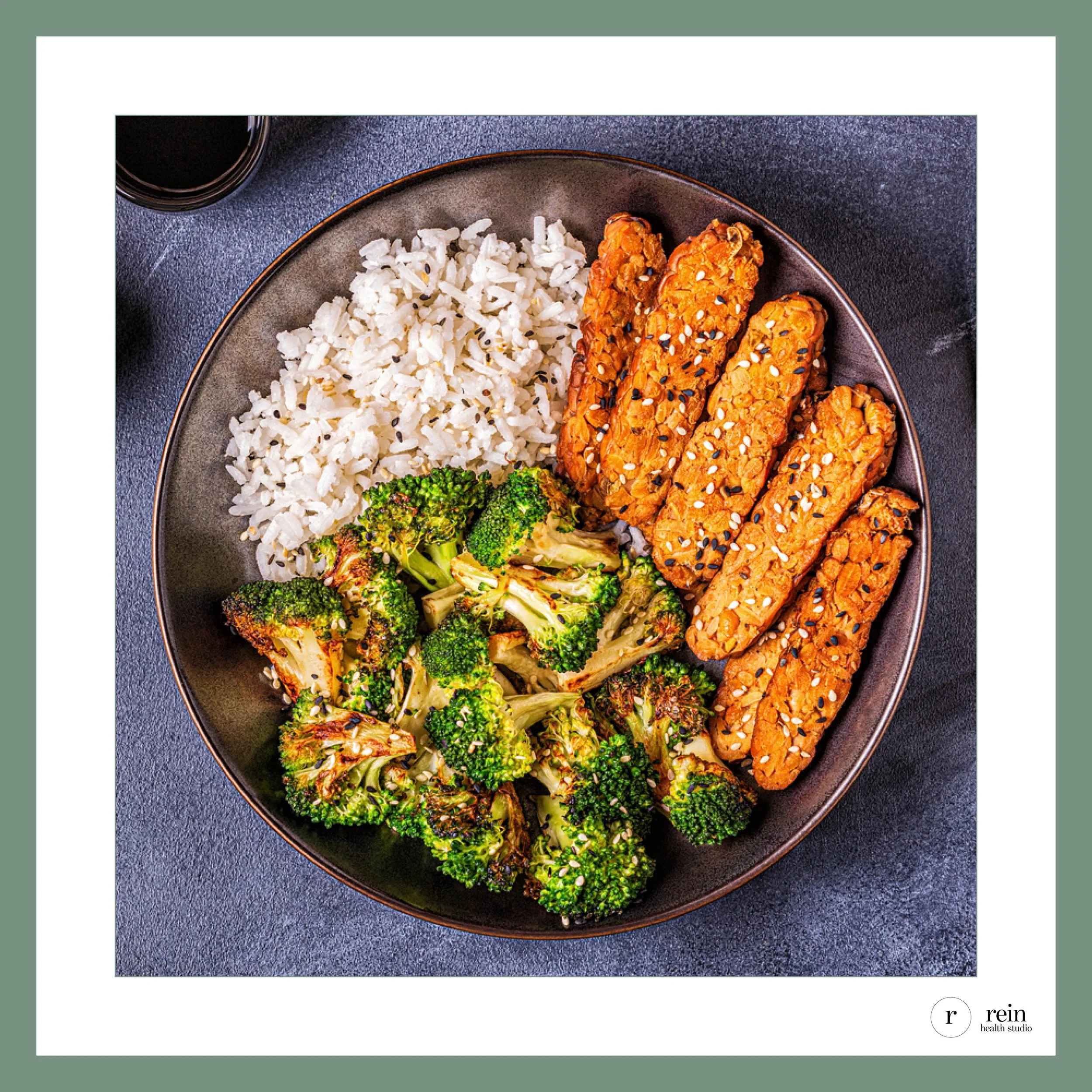
Roasted Broccoli + Sesame Tempeh Bowl w/ Miso Ginger Dressing
Tempeh is one of the most nutritionally complete plant proteins available — and unlike tofu, its fermentation process adds a layer of gut-supportive activity that directly influences systemic inflammatory tone. Paired with broccoli's sulforaphane and a miso ginger dressing built around two of the most clinically researched anti-inflammatory compounds in nutritional science, this bowl delivers meaningful anti-inflammatory support through every component on the plate.
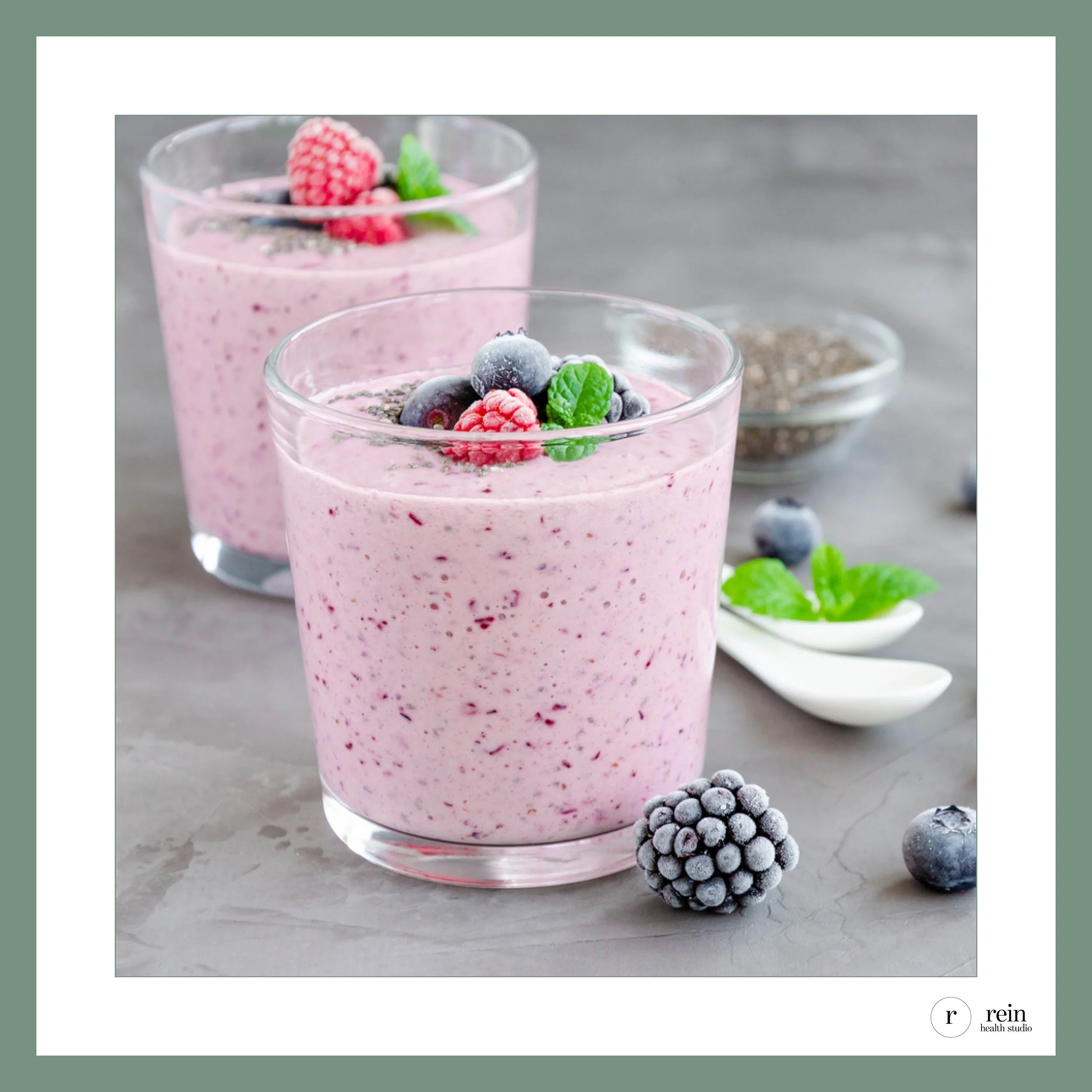
Berry + Almond Smoothie w/ Flax + Protein
This one is structured differently. Mixed berries are among the lowest-glycemic fruits available, rich in anthocyanins that improve insulin sensitivity + reduce post-meal glucose response. Almond butter contributes monounsaturated fats + magnesium — the latter playing a direct role in insulin receptor signaling. Ground flaxseed adds soluble fiber that slows gastric emptying + feeds the gut bacteria involved in short-chain fatty acid production and glucose regulation. A full serve of protein powder anchors the macro balance, ensuring this meal functions as a metabolically stable start rather than a glorified dessert. Built with fat, fiber + protein at the center — this smoothie supports glucose stability without giving up flavor or convenience.
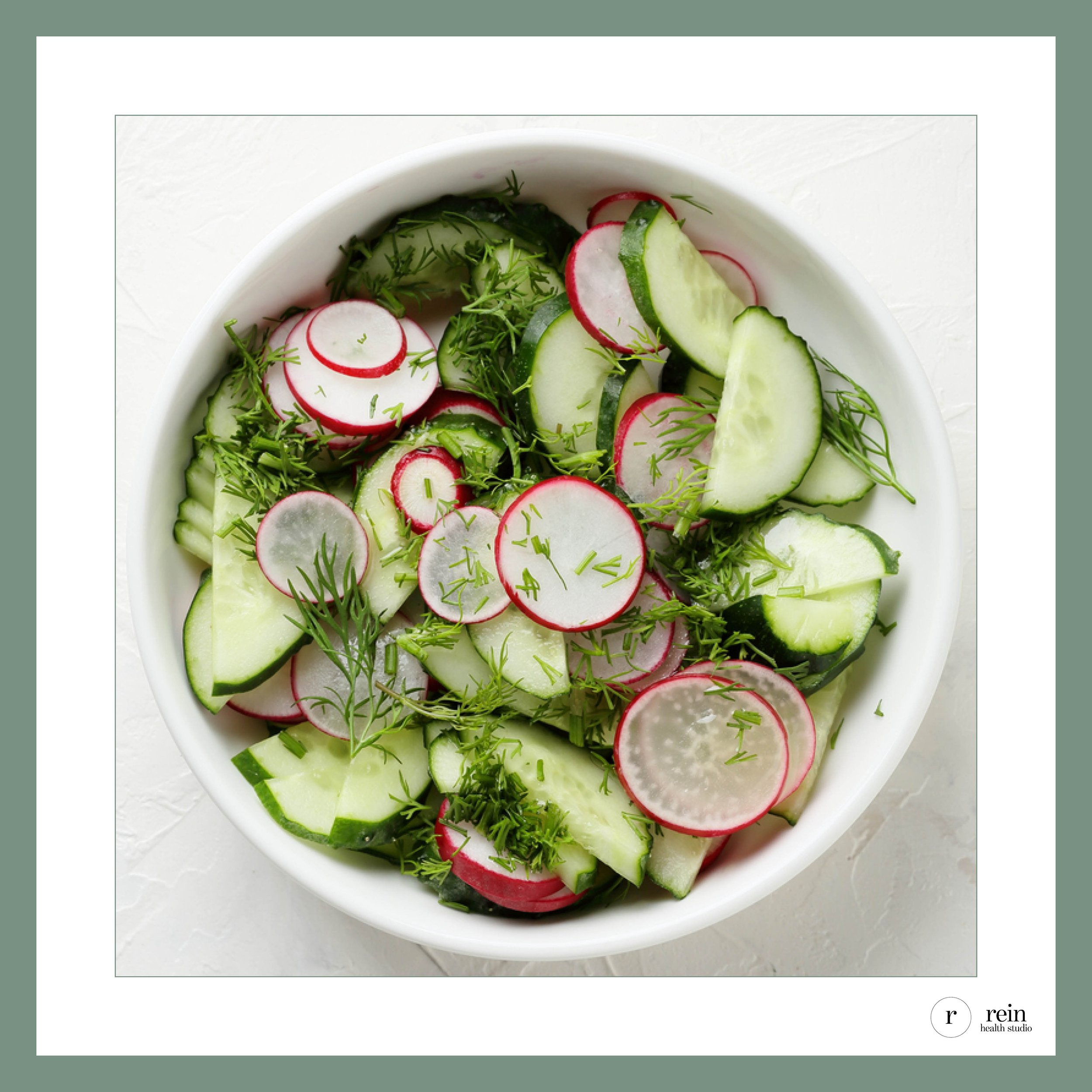
Cucumber, Radish + Herb Salad w/ Apple Cider Vinaigrette
Clinical studies show 1–2 tablespoons before or with a carbohydrate-containing meal can reduce post-meal glucose by up to 34%. Cucumber is over 95% water with a glycemic index near zero, contributing hydration + silica that supports vascular integrity. Radishes contain compounds that stimulate adiponectin — a hormone that improves insulin sensitivity + regulates glucose metabolism. Fresh dill and herbs add polyphenols + digestive support that complement the vinegar's glucose-blunting effect. Light, crisp + metabolically strategic — this salad earns its place on the plate as more than a side dish.
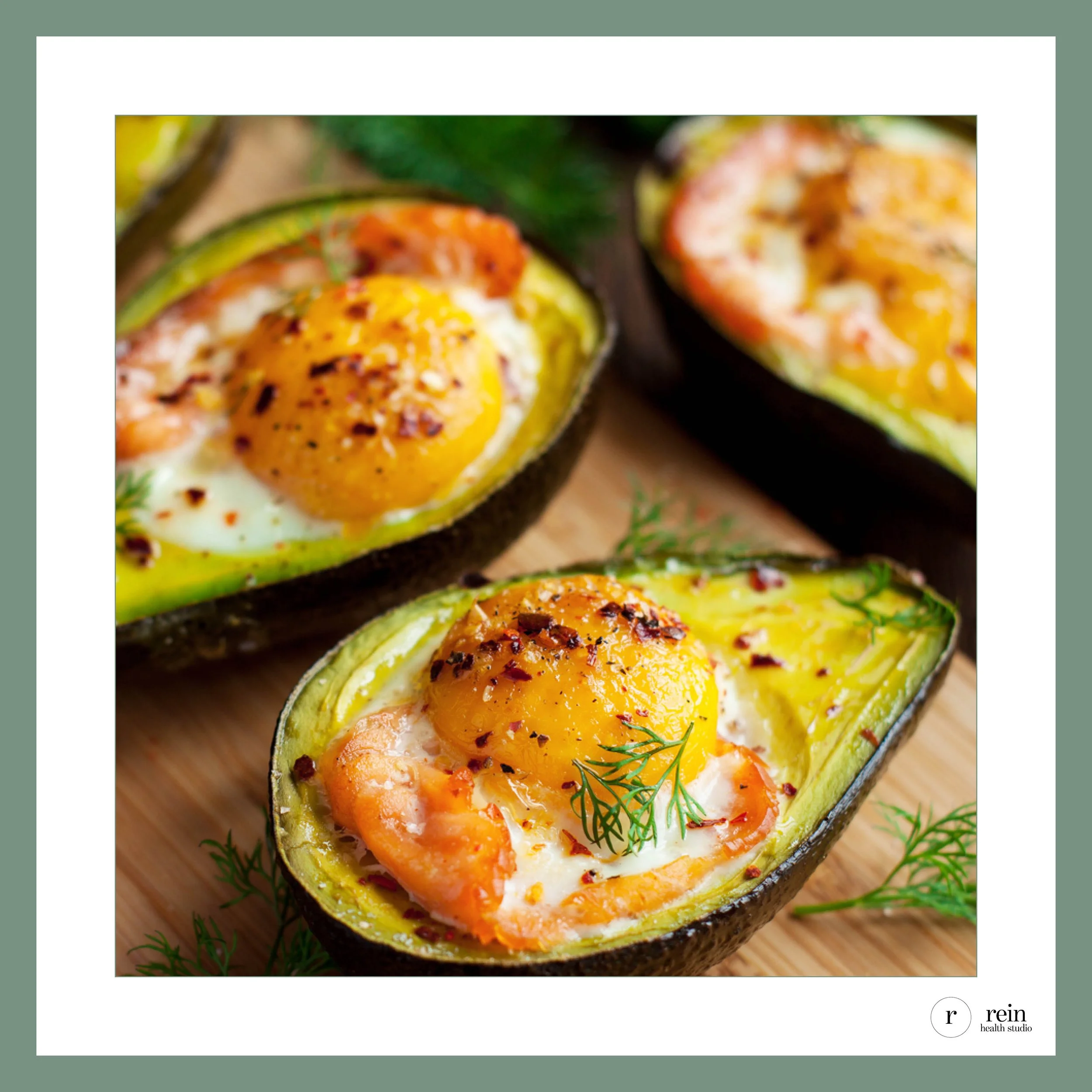
Smoked Salmon + Avocado Egg Cups
Avocado delivers monounsaturated fats that slow gastric emptying + improve insulin receptor sensitivity, while its fiber content adds an additional buffer against glucose absorption. Eggs provide complete protein alongside choline — essential for cell membrane integrity + the signaling pathways involved in glucose metabolism. Smoked salmon contributes EPA + DHA, the omega-3 fatty acids that directly reduce the chronic inflammation driving insulin resistance, alongside a meaningful hit of protein to anchor satiety + prevent mid-morning blood sugar dips. Zero refined carbohydrates, high in healthy fat and complete protein — this is what a metabolically stable morning looks like.
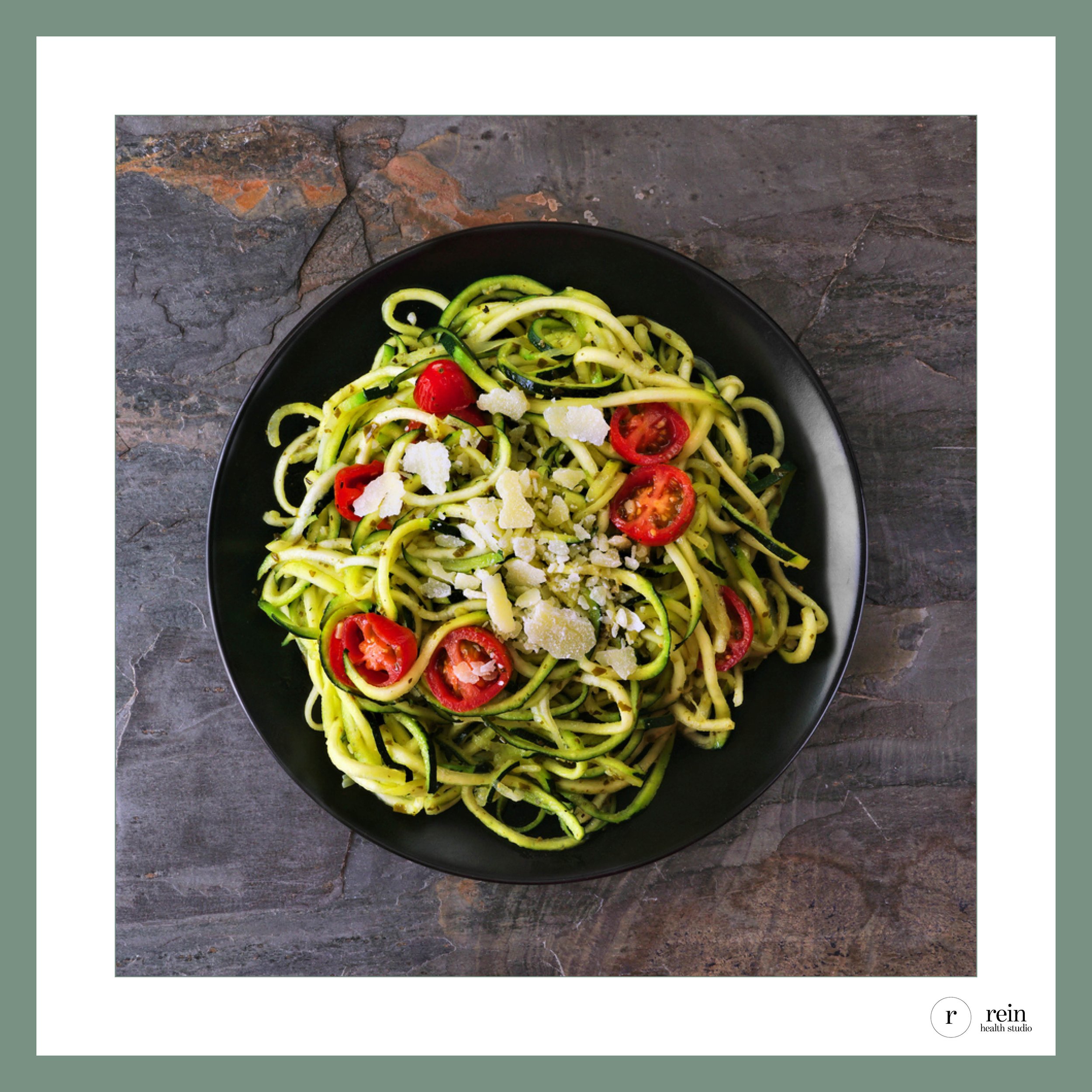
Zucchini Noodles w/ Pesto + Grilled Chicken
Pesto — built on olive oil, basil + pine nuts — contributes monounsaturated fats + polyphenols that slow gastric emptying + reduce the inflammatory signaling underlying insulin resistance. Cherry tomatoes add lycopene + vitamin C alongside a modest fiber contribution that further blunts post-meal glucose response. Adding grilled chicken turns this into a complete metabolic meal — the protein load increases the thermic effect, slows digestion + supports the muscle tissue that accounts for up to 80% of insulin-stimulated glucose disposal. Low-glycemic, anti-inflammatory + protein-forward — this bowl supports stable blood sugar without sacrificing the meal you actually want to eat.
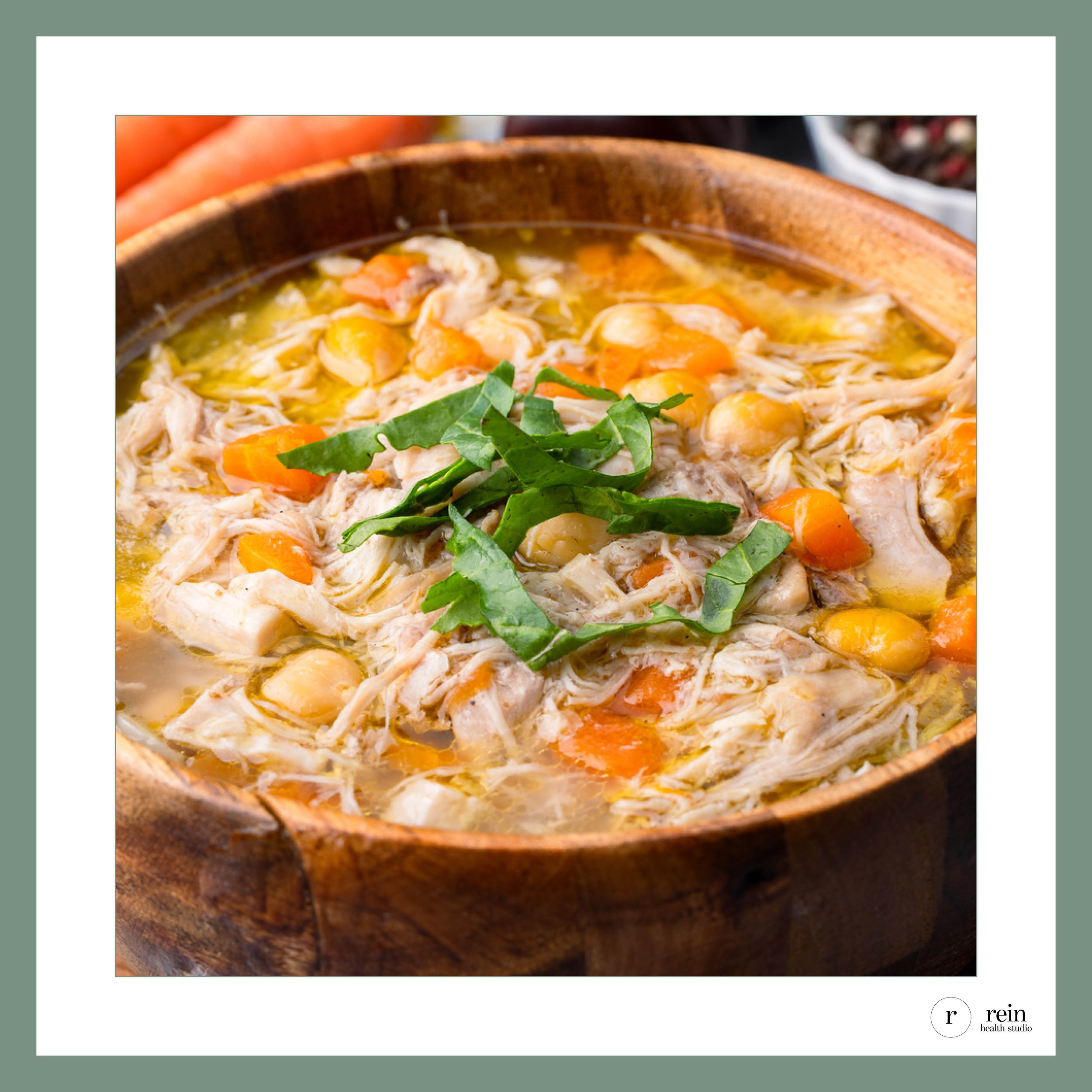
Turkey + White Bean Soup w/ Fresh Herbs
Turkey is one of the most tryptophan-rich protein sources in the food supply — making this a high-protein meal with a direct line to serotonin synthesis + the mood, sleep + appetite regulation that depends on it. It is also leucine-dense, making it an effective trigger for muscle protein synthesis. White beans extend the protein content with a plant-based source that, combined with turkey, creates a full and complementary amino acid profile — plus resistant starch as prebiotic fiber to feed the gut bacteria that support intestinal health. The broth base, particularly from chicken or turkey bones, contributes glycine + proline — the two amino acids most concentrated in collagen and connective tissue, chronically underrepresented in modern diets that favor muscle meat over whole-animal eating. Fresh herbs bring antimicrobial compounds, vitamin K + flavonoids that support immune function + reduce inflammatory signaling.
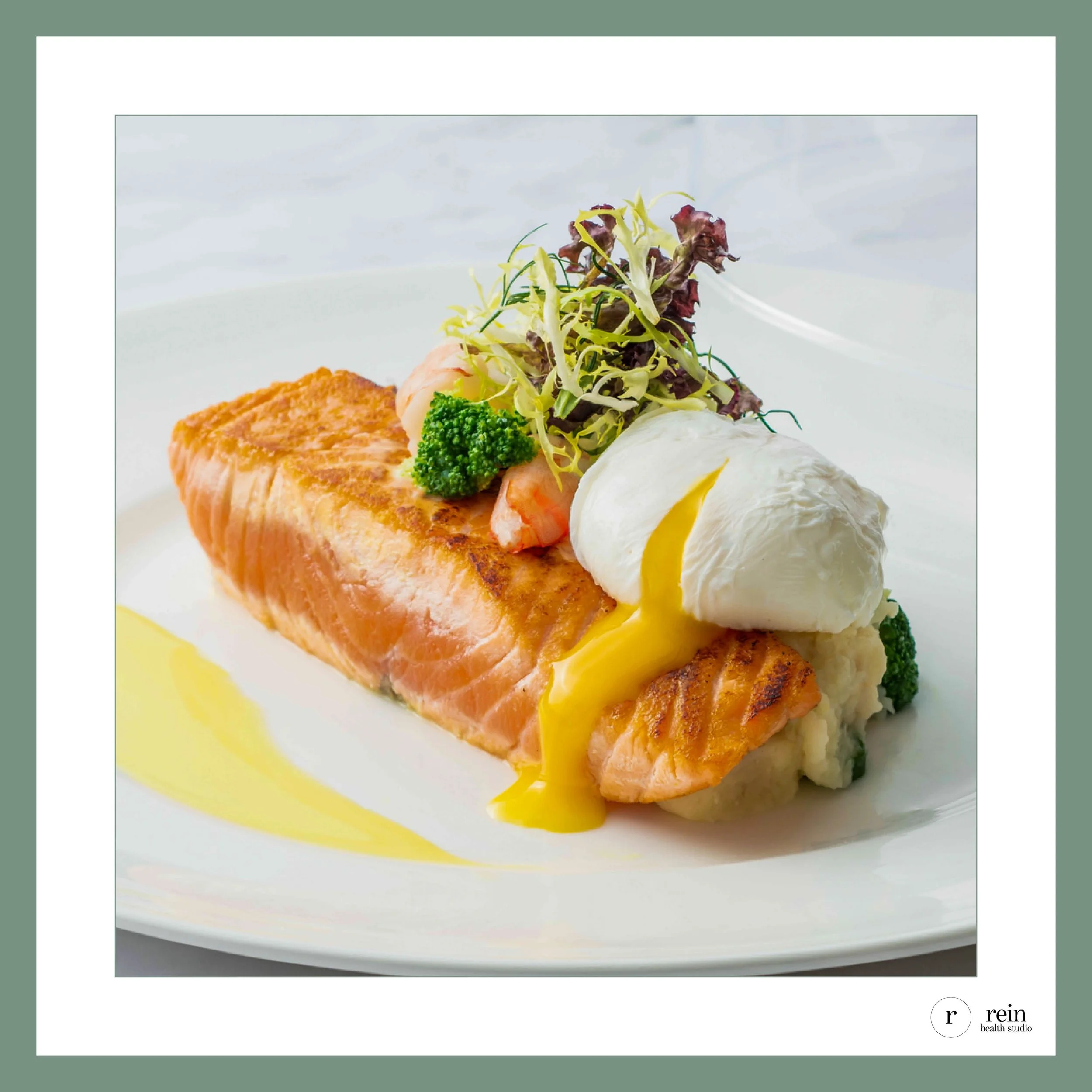
Pan-Seared Salmon w/ Poached Egg + Hollandaise
Salmon delivers a full essential amino acid profile alongside EPA + DHA — the long-chain omega-3 fatty acids that reduce systemic inflammation + improve insulin sensitivity in muscle tissue, making protein uptake more efficient at the cellular level. It is also one of the few reliable dietary sources of vitamin D, required for calcium absorption, muscle contraction signaling + immune regulation. The egg contributes choline — essential for acetylcholine synthesis + the structural integrity of every cell membrane in the body — alongside one of the most bioavailable protein profiles of any whole food. Hollandaise adds fat-soluble vitamins A, D, E + K2, the latter being critical for directing calcium into bone rather than soft tissue. Broccoli brings sulforaphane for anti-inflammatory support + vitamin C to drive collagen synthesis in connective tissue.